Blog

  • Creating an Inviting Kitchen with Smart Design and Organization

    The kitchen is one of the most valuable areas of a home because it supports daily activities and brings people together. From preparing breakfast in the morning to cooking dinner for the family, this space plays an important role in everyday life. A comfortable and organized kitchen can make these activities easier while adding beauty and functionality to the home. With the right improvements, even a simple cooking area can become an attractive and enjoyable place.

    A well-planned kitchen begins with understanding how the available space will be used. The placement of cabinets, countertops, appliances, and sinks should allow convenient movement. Having enough room for food preparation is particularly important for households that cook regularly. A practical layout also reduces unnecessary movement and makes cleaning easier after meals.

    Storage solutions help maintain a tidy and organized environment. Cabinets with multiple compartments provide convenient places for plates, glasses, cookware, and other essentials. Deep drawers can accommodate larger utensils, while small organizers are useful for spices and cooking accessories. A dedicated pantry area also makes it easier to arrange groceries and monitor food supplies.

    Choosing attractive and durable materials can improve the kitchen’s overall appearance. Countertops should be strong enough for regular use and simple to maintain. Granite, quartz, and other quality surfaces are popular choices for different interior styles. Cabinets made from suitable materials can provide dependable storage while contributing to a coordinated design. Easy-to-clean flooring is another useful feature for busy households.

    The right appliances can make cooking more efficient. A refrigerator with suitable storage capacity helps preserve fresh food, while a reliable stove and oven provide flexibility when preparing different dishes. Microwaves, blenders, and food processors are also useful additions. Before purchasing new appliances, homeowners should compare their features, energy requirements, dimensions, and maintenance needs.

    Lighting plays an important role in creating a welcoming atmosphere. Natural light from windows can brighten the room and make it feel more spacious. Ceiling lights provide general illumination, while focused lighting above countertops helps with food preparation. Proper ventilation is equally valuable because it removes excess moisture, smoke, and cooking odors.

    Maintaining cleanliness is essential for every kitchen. Regularly wiping surfaces, washing dishes, cleaning appliances, and organizing food storage areas helps prevent unnecessary mess. Kitchen towels and cleaning supplies should have their own storage locations. Proper food handling and suitable storage temperatures also help maintain food quality and hygiene.

    Personal decoration adds character to the cooking area. Homeowners can choose colors and accessories that reflect their preferences. Natural wood, neutral cabinets, decorative tiles, and indoor plants can create a warm and relaxing appearance. Small changes, such as replacing old cabinet handles or adding attractive storage containers, can refresh the space without requiring major renovation work.

    A beautiful and inviting kitchen is created through a combination of practical planning and thoughtful design. By focusing on organization, quality materials, useful appliances, proper lighting, and cleanliness, homeowners can improve their daily cooking experience. A well-maintained kitchen becomes more than a functional room; it becomes a comfortable part of the home where everyday memories are made.


  • How to Plan the Perfect Kitchen Island

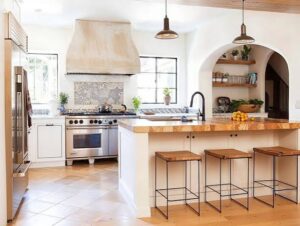
    A kitchen island can become one of the most useful features in a modern home. It provides extra workspace, creates additional storage, and offers a convenient place for family members to gather. Whether the kitchen is large or medium-sized, a carefully planned island can improve its appearance and functionality. The key is choosing a design that suits the available space and everyday household needs.

    Decide How You Will Use the Island

    Before choosing a kitchen island, consider the activities it needs to support. Some homeowners mainly want additional worktop space for preparing meals, while others prefer an island with seating for breakfast and casual dining.

    An island can also include storage drawers, cupboards, a sink, or a cooking hob. However, adding too many features may increase the cost and make installation more complicated. Selecting a clear purpose helps create a design that remains practical.

    Choose the Right Size and Position

    The size of a kitchen island should match the dimensions of the room. A large island may look impressive, but it can make movement difficult if there is not enough space around it. Homeowners should leave comfortable walkways between the island, cabinets, and appliances.

    The island should also be positioned where it does not interrupt access to the refrigerator, oven, or dishwasher. Measuring the kitchen carefully before purchasing or building an island can prevent expensive mistakes.

    Select Durable Worktop Materials

    The worktop is one of the most important parts of a kitchen island because it receives frequent use. Materials such as quartz, granite, laminate, and solid wood offer different appearances and maintenance requirements.

    Quartz is popular for its consistent finish and relatively simple maintenance. Granite provides a natural stone appearance, while solid wood can introduce warmth into the kitchen. The right material depends on the household’s budget, cooking habits, and preferred interior style.

    Include Useful Storage Options

    A kitchen island can provide valuable storage without requiring additional wall cabinets. Deep drawers are suitable for pots and pans, while smaller compartments can hold cutlery and cooking utensils. Open shelves can also provide space for cookbooks or decorative accessories.

    It is important to plan storage according to the island’s position. Frequently used cooking equipment should be easy to access, while items that are needed occasionally can be kept in less accessible compartments.

    Add Comfortable Seating

    If the kitchen has enough room, adding seating can make an island more welcoming. Bar stools provide a convenient place for quick breakfasts, coffee breaks, or conversations while someone prepares dinner.

    The seating area should have enough legroom and should not interfere with nearby walkways. Choose stools that match the height of the worktop and provide suitable support. Materials should also be easy to clean, particularly in busy family kitchens.

    Think About Lighting and Electrical Access

    Good lighting helps make a kitchen island more useful. Pendant lights positioned above the island can provide focused illumination while creating an attractive design feature. The size and number of lights should suit the island without overwhelming the room.

    Electrical outlets may also be useful for small appliances such as food processors and mixers. Their placement should be planned safely and completed by a qualified professional where required.

    Match the Island With the Kitchen Design

    A kitchen island should complement the surrounding cabinets, flooring, and worktops. Matching materials can create a consistent appearance, while a contrasting cabinet color can make the island stand out as a feature.

    Natural wood, neutral shades, and modern finishes can all work well depending on the overall interior. Small decorative details, such as handles and pendant lights, can help connect the island with the rest of the kitchen.

    Make Your Kitchen Island a Practical Feature

    A well-designed kitchen island can improve storage, provide extra preparation space, and create a comfortable gathering point. Careful planning is essential to ensure that its size, materials, and features suit the room.

    By focusing on everyday needs rather than appearance alone, homeowners can create an island that adds lasting value to their kitchen and makes daily activities more enjoyable.

  • Building a Modern Kitchen That Makes Everyday Cooking Easier

    A kitchen is an essential space that brings convenience, comfort, and creativity into everyday life. It is where families prepare their favorite meals, organize groceries, and enjoy moments together. A well-designed kitchen can make household activities more enjoyable while improving the overall appearance of a home. Creating a practical cooking area does not always require a complete renovation. Simple improvements in organization, lighting, storage, and decoration can make a noticeable difference.

    One of the most important aspects of kitchen design is functionality. A good kitchen should provide enough room for cooking, cleaning, and storing essential supplies. The arrangement of appliances and work surfaces should support easy movement. Keeping frequently used items close to preparation areas can save time and make cooking more convenient. Homeowners should also consider the available space before selecting large furniture or appliances.

    Kitchen cabinets are valuable because they help maintain order and reduce clutter. Different cabinet styles are available to match traditional and contemporary interiors. Wooden finishes provide a natural appearance, while modern designs often feature smooth surfaces and simple colors. Installing additional drawers, shelves, and pantry compartments can provide useful storage for cookware, dishes, and groceries.

    The selection of kitchen countertops is equally important. Since these surfaces are used for chopping, mixing, and preparing ingredients, they should be durable and easy to maintain. Granite, quartz, and laminate offer different choices for homeowners with varying budgets. A well-chosen backsplash can protect the walls from stains while adding an attractive feature to the cooking area.

    Modern kitchen appliances provide valuable assistance with everyday responsibilities. Refrigerators, ovens, microwaves, and dishwashers help simplify household tasks. Small appliances such as food processors, blenders, and coffee makers can also improve convenience. Selecting reliable products with suitable features and energy-efficient performance can be a worthwhile investment for any household.

    Another important factor is maintaining a pleasant atmosphere. Good lighting helps people work safely and comfortably, while natural sunlight can make the room feel more open. Installing suitable ceiling lights and additional countertop lighting improves visibility. Ventilation systems are also useful because they remove cooking smoke, steam, and unwanted smells.

    Kitchen hygiene should never be overlooked. Regular cleaning of sinks, countertops, cabinets, and appliances helps maintain a fresh environment. Food ingredients should be stored correctly, and kitchen waste should be removed frequently. Keeping cleaning materials and household supplies in designated storage areas makes daily maintenance easier.

    Decorative details can transform the kitchen without requiring major expenses. Fresh plants, attractive containers, matching cabinet handles, and stylish wall tiles can add personality to the room. Choosing a consistent color scheme helps create a balanced appearance. Homeowners can combine natural materials with modern accessories to achieve a comfortable and attractive interior.

    In conclusion, a modern kitchen should offer a balance between appearance and practical use. Proper planning, organized storage, quality materials, dependable appliances, and regular cleaning all contribute to a better cooking environment. By focusing on these important elements, homeowners can create a kitchen that supports their daily routines and provides a welcoming space for the entire family.

  • Creating a Kitchen With More Natural Light

    Natural light can make a kitchen feel brighter, more spacious, and more welcoming. Since this room is often used throughout the day, good lighting can improve both its appearance and everyday functionality. A kitchen that receives plenty of daylight can also feel more connected to the outdoors. With the right design choices, homeowners can make better use of available sunlight without carrying out a major renovation.

    Make the Most of Kitchen Windows

    Windows are one of the best sources of natural light in a kitchen. Keeping window areas free from unnecessary objects allows sunlight to enter more easily. Heavy curtains can make the room feel darker, so lightweight blinds or simple window coverings may be a better choice.

    If privacy is important, frosted glass can provide protection while still allowing daylight to pass through. Homeowners planning a renovation may also consider larger windows, provided the building structure and local requirements allow them.

    Choose Colors That Reflect Light

    The colors used in a kitchen can influence how bright the room appears. White, cream, pale grey, and soft neutral shades help reflect available light around the space. These colors can be especially useful in kitchens with small windows or limited natural illumination.

    Cabinet finishes also make a difference. Glossy surfaces can reflect light, while lighter matte finishes provide a softer appearance. Combining light-colored cabinets with natural wood details can create a balanced interior that feels warm rather than plain.

    Keep Worktops and Windows Uncluttered

    A crowded kitchen can make even a bright room feel smaller. Keeping countertops organized creates a cleaner appearance and allows light to move more freely through the space. Store appliances that are not used regularly inside cabinets and keep only essential items within reach.

    Window sills should also remain relatively clear. A small plant or decorative accessory can add personality, but too many objects may block sunlight. Simple arrangements often create a more attractive result.

    Use Reflective Materials Carefully

    Certain kitchen materials can help distribute natural light. Glass cabinet doors, polished tiles, stainless steel appliances, and reflective splashbacks can make the room appear brighter.

    A mirrored or glossy backsplash may be useful in a narrow kitchen because it reflects light across the surrounding surfaces. However, it is important to choose materials that are practical to clean. Kitchen surfaces regularly encounter grease, moisture, and food splashes, so maintenance should remain part of the decision.

    Combine Natural and Artificial Lighting

    Natural light is valuable during the day, but a kitchen also needs reliable artificial lighting. Ceiling fixtures provide general illumination, while under-cabinet lights help brighten preparation areas. Pendant lighting can add style above an island or dining space.

    Using different lighting sources allows the kitchen to remain comfortable after sunset. Choose lighting that provides sufficient brightness for cooking while creating a relaxed atmosphere during meals.

    Add Natural Details to the Interior

    Plants, wooden accessories, and natural textures can make a bright kitchen feel more inviting. Small herb pots near a suitable window provide fresh ingredients and introduce greenery into the room. Wooden chopping boards, woven baskets, and natural fabric accessories can also complement a light-colored interior.

    These details work well in both traditional and contemporary kitchens. They add character without making the space feel overcrowded.

    Enjoy a Brighter Kitchen Every Day

    A kitchen filled with natural light can become a more pleasant place for cooking, eating, and spending time with family. Making better use of windows, selecting suitable colors, reducing clutter, and combining different lighting sources can improve the entire room.

    Even small adjustments can create a noticeable difference. By focusing on brightness and practical design, homeowners can enjoy a kitchen that feels fresh, comfortable, and welcoming throughout the year.

  • Transforming Your Kitchen into a Beautiful and Practical Living Space

    A kitchen is one of the most useful spaces in a home, serving as the center of daily meal preparation and family activities. It is where fresh ingredients become delicious dishes and where people often gather to share their experiences. A clean, comfortable, and attractive kitchen can improve everyday routines while making the entire home feel more organized. Creating such a space requires thoughtful planning, suitable materials, and attention to small details.

    The first step toward a practical kitchen is choosing a suitable layout. A well-arranged cooking area allows people to move easily between different workstations. The refrigerator, sink, stove, and preparation counters should be positioned conveniently to reduce unnecessary movement. Homeowners should also consider how many people regularly use the kitchen when deciding on its size and arrangement.

    Cabinets and storage units are essential for keeping kitchen supplies organized. Modern kitchen cabinets are available in various designs, colors, and materials. Some homeowners prefer natural wooden finishes, while others choose contemporary styles with smooth surfaces. Adding spacious drawers, corner storage, and adjustable shelves can help maximize available space and keep everyday essentials accessible.

    Countertops are another important feature because they provide the main working surface for cooking activities. A suitable countertop should be durable, easy to clean, and attractive. Granite and quartz are common choices because they offer different colors and finishes. Regular cleaning and proper care can help maintain their appearance and prevent unnecessary damage.

    Kitchen appliances also influence how efficiently household tasks are completed. Refrigerators, ovens, cooking ranges, microwaves, and dishwashers provide convenience for busy families. Smaller equipment, including electric kettles, mixers, and blenders, can make specific cooking activities faster. When choosing appliances, it is important to compare quality, energy efficiency, size, and available features.

    Lighting and ventilation deserve equal attention during kitchen improvements. Natural light can make a cooking area feel bright and inviting, while well-positioned artificial lights improve visibility. Under-cabinet lighting is particularly helpful when preparing ingredients. Proper ventilation through windows, exhaust fans, or range hoods helps control smoke, moisture, and unpleasant odors.

    Maintaining a hygienic kitchen is necessary for healthy food preparation. Regularly cleaning countertops, washing dishes, and keeping cooking equipment in good condition helps prevent dirt and grease from accumulating. Food should be stored in appropriate containers, and refrigerators should be cleaned periodically. These simple habits create a safer and more pleasant cooking environment.

    Personal touches can give a kitchen its own character. Decorative backsplashes, matching accessories, indoor plants, and attractive storage jars can enhance the overall appearance. Choosing colors that complement the cabinets and countertops creates a balanced interior. Even small decorative improvements can make an ordinary kitchen feel more welcoming.

    A beautiful kitchen is ultimately a combination of smart design, useful storage, reliable appliances, and regular maintenance. Homeowners do not need to spend a large amount of money to create an enjoyable cooking space. By making practical choices and focusing on everyday needs, anyone can develop a kitchen that offers comfort, convenience, and lasting functionality.

  • Designing a Kitchen That Makes Cooking Easier

    A well-planned kitchen can make everyday cooking more enjoyable and less stressful. Whether someone prepares simple breakfasts or enjoys making elaborate meals, the arrangement of the room can influence how comfortably they work. A practical kitchen provides enough preparation space, keeps essential equipment within reach, and makes cleaning easier. With a few smart design choices, homeowners can create a space that supports their cooking habits.

    Create an Efficient Preparation Area

    Food preparation is an important part of cooking, so having enough clear worktop space is essential. Chopping vegetables, mixing ingredients, and preparing meals can become difficult when countertops are crowded with appliances and decorations.

    Try to keep one section of the worktop dedicated to food preparation. Place frequently used utensils, chopping boards, and mixing bowls nearby so they are easy to access. If the kitchen has limited counter space, a movable kitchen trolley can provide an additional surface when needed.

    Arrange Cooking Equipment Carefully

    The placement of kitchen equipment can influence how smoothly meals are prepared. The oven, hob, refrigerator, and sink should be positioned so that moving between them feels natural. This arrangement can reduce unnecessary movement and help prevent interruptions while cooking.

    Small appliances should also have suitable storage locations. A kettle, toaster, or coffee machine can remain on the counter if it is used daily, while less frequently used equipment can be stored in cupboards. Keeping appliances organized helps maintain a tidy working environment.

    Choose a Suitable Kitchen Sink

    The sink is used for washing vegetables, cleaning dishes, and preparing ingredients. Choosing the right size and style can make these activities easier. A deep sink may be useful for cleaning large cooking pots, while a double-bowl design provides separate areas for different tasks.

    The tap should be comfortable to operate and easy to clean. Pull-out spray taps can provide additional flexibility when washing dishes or rinsing the sink. It is also important to select materials that resist stains and everyday wear.

    Make Storage More Convenient

    Good storage prevents kitchen items from becoming scattered across worktops. Deep drawers can hold pans and cooking tools, while organized cupboards provide space for plates, glasses, and dry ingredients.

    Consider installing pull-out shelves in deep cabinets so that items at the back remain accessible. Vertical dividers can also help organize baking trays, chopping boards, and serving dishes. Clear storage containers make it easier to identify ingredients and check when supplies need replacing.

    Improve Lighting Around Work Areas

    Proper lighting helps people see clearly while preparing and cooking food. A central ceiling fixture may provide general illumination, but additional lighting is useful near worktops, sinks, and cooking areas.

    Under-cabinet lights can brighten surfaces that are often covered by shadows. Pendant lights may also provide attractive illumination above a kitchen island or breakfast counter. Choosing suitable lighting makes the kitchen more comfortable during both daytime and evening use.

    Select Materials That Are Easy to Maintain

    Cooking can create grease, moisture, and food spills, so kitchen materials should be selected with maintenance in mind. Smooth worktops are generally easier to wipe clean, while washable wall finishes can help prevent stains from becoming permanent.

    Flooring should also be practical and durable. Ceramic tiles, porcelain tiles, and quality vinyl are common options for busy kitchens. Choosing surfaces that suit the household’s cleaning routine can save time and help the room maintain its appearance.

    Make Everyday Cooking More Enjoyable

    A kitchen should support the people who use it rather than making simple tasks unnecessarily difficult. An efficient layout, convenient storage, suitable lighting, and durable materials can improve the entire cooking experience.

    Homeowners do not always need a complete renovation to achieve these benefits. Small improvements, such as reorganizing cupboards or creating a dedicated preparation area, can make a meaningful difference. With thoughtful planning, any kitchen can become a more comfortable and practical place to prepare meals.

  • Making Your Kitchen a More Comfortable and Functional Space

    The kitchen is an important part of every household because it supports daily cooking activities and brings family members together. A thoughtfully arranged kitchen can make meal preparation easier, improve cleanliness, and create a pleasant atmosphere throughout the home. From selecting suitable cabinets to choosing reliable appliances, every detail contributes to the overall functionality of this valuable space.

    A comfortable kitchen starts with a practical design. The arrangement of countertops, cabinets, appliances, and storage areas should allow people to move freely while preparing food. Having enough workspace near the stove and sink makes everyday cooking more convenient. Homeowners should also consider their available room before purchasing furniture to avoid overcrowding.

    Storage plays a major role in maintaining an organized kitchen. Well-designed cabinets provide space for dishes, cookware, glasses, and other household essentials. Pull-out drawers and adjustable shelves can make unused spaces more useful. Organizing spices, food containers, and cooking utensils separately also saves time and keeps everything within easy reach.

    Another important consideration is selecting suitable countertops and flooring. Kitchen surfaces should be strong, easy to maintain, and capable of handling everyday activities. Granite and quartz are popular countertop materials because they offer durability and attractive finishes. For flooring, homeowners can explore ceramic tiles, porcelain, and other materials that are practical for areas exposed to moisture and spills.

    Appliances make a modern kitchen more efficient. A refrigerator keeps ingredients fresh, while a quality stove and oven provide reliable cooking options. Microwaves, blenders, and food processors can also simplify meal preparation. Choosing appliances with appropriate features and energy-saving functions helps homeowners manage household expenses and daily responsibilities.

    Lighting can improve the kitchen’s appearance and make cooking safer. Natural sunlight creates a fresh environment, while ceiling fixtures provide general illumination. Additional lighting beneath cabinets is useful for working on countertops. Good ventilation is equally important because it helps remove smoke, steam, and strong food odors. An exhaust fan or range hood can make a noticeable difference.

    Cleanliness should remain a regular priority. Food preparation surfaces, sinks, cabinets, and appliances need proper attention to prevent grease and dirt from building up. Washing dishes promptly and disposing of food waste correctly helps maintain hygiene. Keeping dry ingredients in sealed containers can also protect them from moisture and pests.

    The appearance of a kitchen can be improved through thoughtful decoration. Choosing complementary colors, attractive cabinet handles, stylish backsplashes, and simple accessories creates a coordinated look. Indoor plants and decorative storage jars can introduce natural beauty without taking up too much space. A balanced design makes the kitchen feel welcoming rather than crowded.

    Ultimately, a functional kitchen should reflect the needs and lifestyle of the household. It should offer convenient storage, dependable equipment, comfortable lighting, and enough room for everyday activities. With careful planning and regular maintenance, homeowners can create a beautiful kitchen that makes cooking easier and adds lasting comfort to their homes.

  • Simple Ways to Give Your Kitchen a New Look

    The kitchen is one of the busiest rooms in a home, which makes its appearance and functionality especially important. Over time, cabinets may look outdated, worktops can lose their shine, and decorations may no longer match the rest of the interior. Fortunately, refreshing a kitchen does not always require an expensive renovation. A few thoughtful changes can make the entire space feel brighter, cleaner, and more welcoming.

    Refresh the Kitchen Walls

    Changing the wall color is an effective way to improve the appearance of a kitchen. Light shades such as cream, soft grey, and pale green can make a small room feel more open. Homeowners who prefer a stronger style can introduce darker colors through a feature wall or selected decorative areas.

    When choosing paint, it is important to select a finish suitable for kitchens. Walls can be exposed to moisture, grease, and food splashes, so washable paint is a practical option. A fresh coat of paint can help the room look cleaner without requiring major changes.

    Update Cabinet Doors and Handles

    Kitchen cabinets occupy a large part of the visible space, so updating them can have a noticeable effect. Replacing old handles with modern designs is a simple improvement that can give cupboards a fresh appearance. Options such as brushed metal, matte black, and polished brass can complement different interior styles.

    If cabinet doors are still in good condition, painting or refinishing them may be more affordable than replacing the entire set. Neutral colors create a timeless appearance, while natural wood finishes add warmth and character.

    Introduce Better Storage Solutions

    A kitchen can look untidy when everyday items are left on worktops. Improving storage helps create a cleaner and more organized environment. Drawer dividers, pull-out shelves, wall racks, and storage containers can make better use of available space.

    It is also useful to organize cupboards according to how frequently items are needed. Plates, glasses, and cooking utensils should be easy to reach, while seasonal equipment can be stored in less accessible areas. These small adjustments make everyday kitchen activities more convenient.

    Improve the Worktop Area

    Worktops are among the most frequently used surfaces in a kitchen. Keeping them clear and well-maintained can immediately improve the overall appearance of the room. Remove unnecessary decorations and leave enough space for food preparation.

    Homeowners planning a larger update may consider materials such as quartz, granite, or laminate. Each option offers different colors, finishes, and maintenance requirements. The right worktop should suit both the kitchen design and the household’s daily routine.

    Add Warm and Practical Lighting

    Lighting can change the atmosphere of a kitchen without requiring extensive construction. Replacing an old ceiling fixture with a modern design can create a noticeable improvement. Under-cabinet lighting is another useful addition because it makes food preparation areas easier to see.

    Warm lighting can make a kitchen feel comfortable during family meals, while brighter task lighting is useful near sinks and cooking surfaces. Combining different types of lighting creates a more balanced and flexible environment.

    Bring Natural Elements Indoors

    Natural details can make a kitchen feel more inviting. Small indoor plants, wooden accessories, woven baskets, and fresh flowers introduce texture and color. Herbs such as basil, mint, and parsley can also be kept near a suitable window, providing fresh ingredients for everyday cooking.

    Natural materials work well with many kitchen styles, from traditional interiors to modern designs. Even a few carefully chosen accessories can make the space feel more personal.

    Maintain the Fresh Appearance

    Once the kitchen has been updated, regular maintenance will help preserve its new look. Clean cabinet surfaces, wipe down appliances, and remove spills before they become difficult to manage. Check storage areas occasionally and remove items that are no longer needed.

    A beautiful kitchen is created through a combination of thoughtful design and everyday care. By refreshing walls, improving storage, updating cabinets, and introducing suitable lighting, homeowners can enjoy a kitchen that feels modern, organized, and comfortable without undertaking a complete renovation.

  • The Importance of a Well-Organized Kitchen in Every Home

    A well-organized kitchen plays an important role in maintaining a comfortable and functional home. It is a space where people prepare meals, store essential ingredients, and spend valuable time with their families. A clean and attractive cooking area can make everyday responsibilities easier while encouraging healthier eating habits. Whether a kitchen is large or small, proper planning and organization can improve its usefulness and appearance.

    One of the most important features of a functional kitchen is an effective storage system. Cabinets, shelves, and drawers provide space for cookware, dishes, spices, and groceries. When everything has a designated place, finding necessary items becomes easier. Homeowners can also use storage baskets, labeled containers, and drawer dividers to reduce clutter and keep frequently used supplies accessible.

    The kitchen layout should support comfortable movement during cooking. Placing important appliances and work surfaces in convenient locations helps create an efficient environment. A spacious countertop provides room for preparing ingredients, arranging dishes, and completing different cooking tasks. Even limited spaces can become practical when furniture and appliances are selected carefully.

    Choosing quality kitchen furniture can improve both durability and appearance. Cabinets made from suitable materials provide long-term storage, while attractive handles and finishes add visual appeal. Countertops made from granite, quartz, or other durable surfaces are popular because they combine practical performance with different design options. Flooring should also be easy to clean and suitable for an area that experiences frequent spills.

    Modern kitchen appliances make household activities more convenient. Refrigerators, ovens, cooking ranges, microwaves, and dishwashers help reduce the time required for different tasks. Before investing in new equipment, homeowners should consider their cooking requirements, electricity consumption, available space, and maintenance needs. Selecting the right appliances can improve daily efficiency without creating unnecessary expenses.

    Proper lighting and ventilation are essential for a comfortable kitchen. Windows allow natural light to enter, making the room feel brighter and more welcoming. Ceiling lights provide general illumination, while additional lighting near countertops improves visibility during food preparation. Exhaust fans and range hoods help remove smoke, steam, and unwanted odors, keeping the indoor environment fresher.

    Regular cleaning is necessary to maintain kitchen hygiene. Washing dishes after meals, wiping countertops, cleaning cooking appliances, and removing food waste should become part of the daily routine. Proper food storage also helps maintain freshness and reduce unnecessary waste. Keeping the refrigerator and pantry organized makes grocery management easier and supports better household planning.

    Decorating a kitchen is another way to improve its atmosphere. Simple accessories, indoor plants, attractive wall tiles, and coordinated colors can create a pleasant appearance. Some people enjoy modern minimalist interiors, while others prefer traditional designs with wooden cabinets and warm lighting. The best style is one that matches personal preferences and everyday requirements.

    In conclusion, an organized kitchen contributes to a more comfortable and enjoyable home. Practical storage, durable materials, suitable appliances, good lighting, and consistent cleaning all help create a better cooking environment. By focusing on these essential features, homeowners can maintain a kitchen that is attractive, efficient, and suitable for everyday family needs.

  • How to Create a Comfortable and Functional Kitchen

    A kitchen is one of the most important spaces in any home. It is where families prepare meals, share conversations, and spend time together throughout the day. A well-designed kitchen should look attractive while making everyday activities simple and comfortable. With thoughtful planning, even an ordinary kitchen can become a welcoming and practical part of the home.

    Focus on a Practical Kitchen Layout

    The layout is one of the first things to consider when designing or improving a kitchen. There should be enough room to move between the refrigerator, sink, and cooking area without obstacles. Keeping these important spaces within easy reach can make food preparation more convenient.

    Homeowners should also consider how many people regularly use the kitchen. A family may need wider walkways and additional preparation space, while a smaller household might benefit from a compact arrangement. The goal is to create a layout that supports daily activities without making the room feel crowded.

    Choose Cabinets That Provide Enough Storage

    Kitchen cabinets help keep the room organized and reduce visible clutter. Choosing the right combination of cupboards, drawers, and shelves can make a significant difference in how much space is available.

    Deep drawers are useful for storing pots and pans, while smaller compartments can hold utensils and cooking accessories. Wall-mounted cabinets make good use of vertical space, especially in kitchens with limited floor areas. Selecting cabinet materials that are easy to clean can also help maintain their appearance over time.

    Select Durable and Attractive Materials

    Kitchen surfaces experience regular use, so durability should be an important part of every design decision. Worktops need to withstand food preparation, occasional spills, and everyday wear. Quartz, granite, laminate, and other materials offer different advantages depending on the household’s budget and preferences.

    Flooring should also be chosen carefully. Tiles, vinyl, and engineered flooring are popular options because they are available in different styles and can suit various kitchen designs. The best choice is one that combines appearance, comfort, and easy maintenance.

    Improve Lighting and Ventilation

    Good lighting makes kitchen activities safer and more enjoyable. Ceiling lights provide general illumination, while task lighting beneath cabinets can brighten worktops and cooking areas. Pendant lights can also add character above an island or dining table.

    Ventilation is equally important. Cooking produces heat, moisture, and odors that can make the room uncomfortable if they are not properly managed. A suitable extractor fan or range hood helps remove airborne grease and cooking smells while supporting better indoor air quality.

    Keep the Kitchen Clean and Organized

    A clean kitchen is easier to use and creates a more pleasant environment. Regularly wiping worktops, cleaning appliances, and washing dishes can prevent dirt and grease from building up. Frequently used items should be stored where they are easy to reach, while less commonly used equipment can be placed in higher cabinets.

    Simple habits can make a lasting difference. Returning items to their proper places after cooking and checking food storage areas regularly can help keep the kitchen tidy.

    Add Personal Style and Comfort

    A functional kitchen can still reflect the personality of the people who use it. Wall colors, cabinet handles, decorative tiles, and carefully selected accessories can give the room a distinctive appearance. Natural materials and warm lighting can create a relaxed atmosphere, while modern finishes may suit homeowners who prefer a cleaner look.

    Adding comfortable seating or a small dining area can make the kitchen more inviting. Even a simple breakfast corner can provide a useful place for family members to enjoy meals or have conversations.

    Make Your Kitchen Work for Everyday Life

    Creating a comfortable kitchen does not always require a complete renovation. Small improvements to storage, lighting, organization, and decoration can make the space more useful. By choosing durable materials and planning around everyday needs, homeowners can create a kitchen that remains attractive and practical for years to come.